Criminal Bookies Flood Grand National: Up to £100 Million in Black Market Bets at Aintree Festival
Morgan Long · Apr 18, 2026

Criminal Bookies Flood Grand National: Up to £100 Million in Black Market Bets at Aintree Festival
Last weekend's Grand National at Aintree Festival in April 2026 drew massive crowds and even bigger bets, but while licensed bookmakers handled their share, criminal operators on the black market raked in up to £100 million across the entire event—including a staggering £40 million on the headline race alone; these unlicensed outfits targeted millions of punters who ended up betting without any consumer protections whatsoever.
The Betting and Gaming Council (BGC) spotlighted this surge, noting how illegal bookies exploited the high-stakes atmosphere of one of the UK's biggest horse racing spectacles, where excitement runs high and temptations pull punters toward quick, unregulated wagers.
Aintree's Grand National: Racing's Premier Weekend Magnet
Every April, Aintree Racecourse near Liverpool transforms into a frenzy of jumps, thundering hooves, and roaring crowds for the three-day Grand National Festival, culminating in the iconic 4-mile, 30-obstacle marathon race that's captivated British punters since 1839; this year in 2026, the event pulled in record interest amid favorable weather and star-studded fields, yet that same buzz opened doors for shadowy operators lurking online and through back channels.
Observers have long noted how major races like the Grand National spike betting volumes exponentially—data from the BGC reveals the black market alone absorbed up to £100 million in stakes over the festival weekend, dwarfing some estimates for smaller regulated pools; take the main event, where £40 million flowed to unlicensed bookies, a figure that underscores the scale as punters chased enhanced odds or sidestepped restrictions.
But here's the thing: licensed firms, squeezed by regulations, couldn't match the illicit allure, so criminal networks stepped in seamlessly, advertising via social media, WhatsApp groups, and unregulated apps that promise bigger payouts without the red tape.
Black Market Mechanics: How Criminal Bookies Snagged Millions
Criminal bookies don't play by rules—they operate offshore or underground, offering odds juiced far beyond what's sustainable, and during the Grand National, they zeroed in on the festival's fever pitch; BGC figures indicate these operators targeted millions of UK punters, many frustrated by affordability checks or deposit limits on legit sites, luring them with no-questions-asked bets that vanished consumer safeguards like dispute resolution or fund protection.
What's interesting is the timing: as the first horses jumped at Aintree last Friday, black market volumes reportedly exploded, peaking on Saturday's big race where that £40 million stake materialized almost overnight; experts tracking illicit gambling patterns have observed similar spikes at festivals, but this year's numbers hit new highs, fueled by digital tools that let operators scale up effortlessly across borders.
One case highlighted by industry watchers involves punters who placed bets via encrypted chats, only to face payout denials or outright scams post-race—classic black market tactics that leave bettors high and dry, with no recourse since these outfits dodge UK Gambling Commission oversight entirely.
Regulatory Pressures Push Punters Underground
Licensed operators faced mounting headwinds leading into April 2026—rising operational costs from enhanced safer gambling measures, stricter affordability checks that cap bets based on spending patterns, and compliance burdens that crimp promotional offers; as a result, some punters drifted toward black market alternatives where such hurdles don't exist, even if the risks skyrocket.
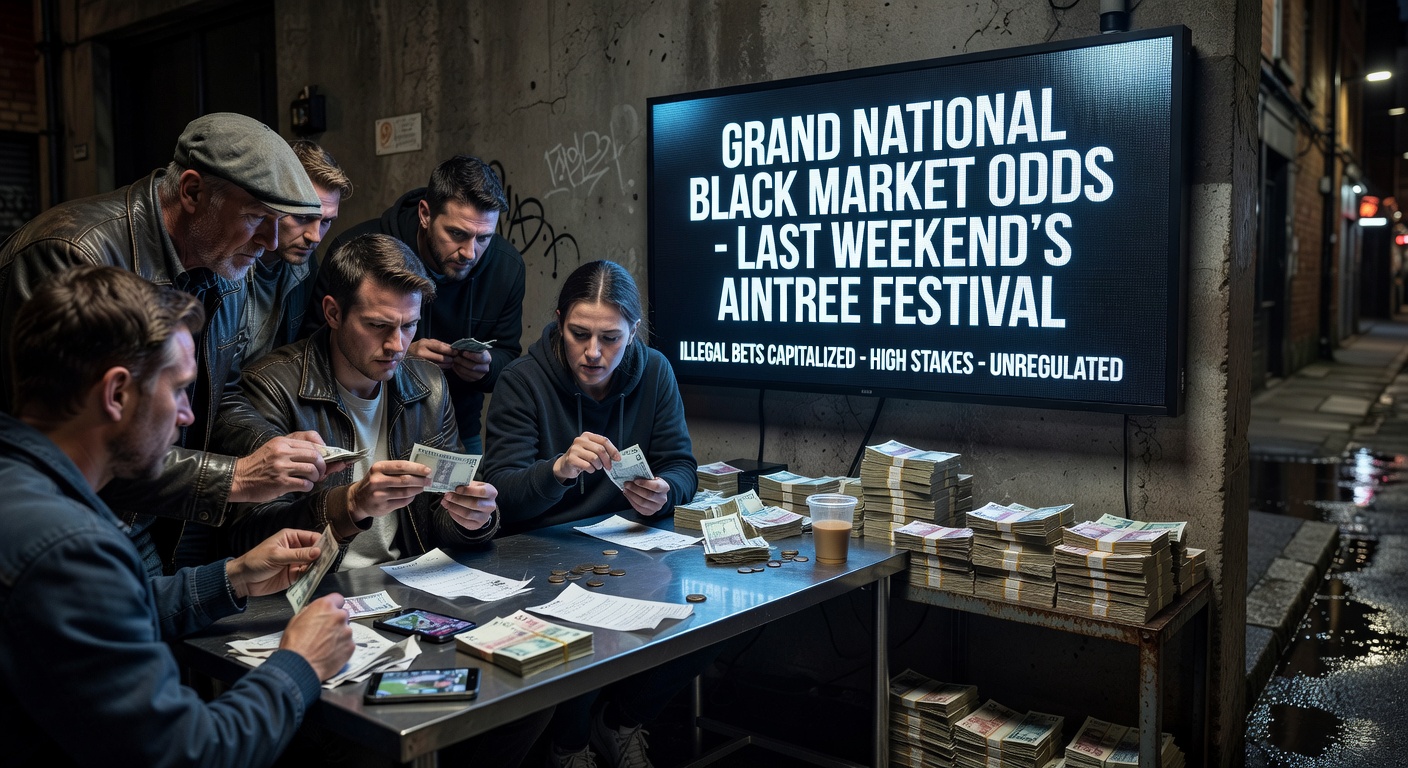
The reality is, these pressures—while designed to protect vulnerable players—create gaps that criminals exploit ruthlessly; BGC data shows the Grand National weekend amplified this trend, with up to £100 million siphoned off because regulated firms couldn't compete on flexibility or speed, prompting a call for policy tweaks that balance safety without driving bets illicit.
Turns out, punters often discover too late that black market "deals" come with strings—non-payment on wins, data theft, or links to organized crime—that far outweigh any short-term gains, yet the festival's adrenaline rush blinds many to those dangers until the dust settles at Aintree.
BGC Sounds Alarm: Keep Bets in the Regulated Fold
The Betting and Gaming Council didn't mince words after the Aintree weekend, urging lawmakers and punters alike to prioritize the regulated sector where protections like independent adjudication and self-exclusion tools actually work; their report details how criminal bookies cashed in big—£100 million total, £40 million on the Grand National proper—while highlighting the broader threat to UK racing's ecosystem.
Industry leaders have pushed for measures like tougher enforcement against offshore sites, better public education on black market perils, and incentives for licensed operators to innovate without stifling growth; observers note this isn't isolated—the BGC has tracked rising illicit activity amid regulatory evolution, making events like the Grand National prime battlegrounds.
So, as Aintree's echoes fade into April 2026's calendar, the council's message rings clear: betting outside regulation hands the advantage to criminals, stripping punters of safeguards that regulated firms provide as standard.
Punter Perils: No Safety Net in the Shadows
Millions of UK bettors flocked to the Grand National, but those who strayed black market-ward gambled more than just cash—they risked everything from unpaid winnings to personal data breaches, all without the UK's robust consumer protections; BGC statistics paint a grim picture, with up to £100 million at stake festival-wide exposing punters to operators who vanish post-event or rig outcomes behind closed doors.
People who've studied gambling harms often point out how illicit markets amplify addiction risks—no mandatory stake limits, no reality checks, just endless encouragement to bet bigger on races like the £40 million-fueled Grand National; one researcher recounted cases where festival-goers lost thousands to fake bookies promising "guaranteed" payouts, only to confront silence when horses crossed the line.
Yet, the pull remains strong—faster payouts, higher limits, anonymity—and amid Aintree's spectacle, it proved irresistible for many, underscoring why the BGC hammers home the regulated route as the only safe play.
Broader Implications for UK Betting Landscape
This black market bonanza at the 2026 Grand National Festival signals deeper currents in the UK's £multi-billion gambling industry, where regulatory tightening—launched to curb problem betting—unwittingly boosts unlicensed rivals; data from the BGC reveals not just the £100 million haul but a pattern repeating at Cheltenham, Ascot, and beyond, as criminals eye every big meet.
What's significant is the targeting: social media ads, peer referrals, even fake apps mimicking legit bookies drew in novices and veterans alike, exploiting the event's hype when licensed options felt constrained; experts who've monitored this space warn that without swift countermeasures—like international crackdowns or tech blocks—the drift could erode tax revenues and racing prize funds that rely on healthy regulated betting.
And while Aintree delivered thrills on track, off it the story turned darker, with punters left vulnerable and the industry scrambling to reclaim lost ground before the next festival rolls around.
Conclusion
The Grand National weekend at Aintree in April 2026 exposed the black market's grip tightening around UK horse racing's crown jewel, as criminal bookies pocketed up to £100 million—including £40 million on the main race—by preying on punters dodging regulatory realities; the Betting and Gaming Council laid it bare, stressing that steering bets back to licensed channels protects wallets, data, and the sport itself from illicit shadows.
Now, with the festival wrapped, stakeholders eye reforms that safeguard without stifling, ensuring future Aintree spectacles stay thrilling—without the hidden dangers lurking in unregulated bets; that's where the rubber meets the road for an industry balancing excitement and responsibility.