Hybrid Data Frameworks Connecting Cricket Analysis to International Tennis Markets via Localized Digital Platforms
Gisela Peters · Aug 1, 2026

Hybrid Data Frameworks Connecting Cricket Analysis to International Tennis Markets via Localized Digital Platforms
Analysts have developed hybrid frameworks that transfer statistical models from cricket to tennis betting environments, and these systems rely on localized digital platforms to deliver tailored insights across different regions. Data from cricket matches including ball trajectory patterns and player stamina indicators feed into algorithms that forecast tennis outcomes, while regional apps adjust the presentation of those forecasts based on local user preferences and network conditions. In August 2026 several platforms recorded higher engagement rates after integrating these cross-sport tools, particularly in areas where cricket remains a dominant spectator sport yet tennis events draw growing international interest.
Core Components of the Hybrid Approach
Cricket datasets supply granular variables such as spin rates and pitch conditions that researchers adapt to tennis elements like court surface speed and rally length distributions. Teams working on these models collect historical match files from both sports then apply machine learning layers to identify transferable correlations, and the resulting predictions reach end users through apps designed for specific markets. Observers note that this method reduces development costs because existing cricket analytics infrastructure serves dual purposes once the translation layer is in place.
Role of Localized Digital Tools
Regional developers build mobile interfaces that translate complex statistical outputs into simple visual cues, and they incorporate language settings plus payment options suited to each territory. These tools pull live cricket feeds and overlay tennis schedule data so bettors can switch contexts without leaving the application, while backend systems handle currency conversion and time zone alignment automatically. Evidence from multiple deployments shows that user retention improves when the interface reflects local cultural references alongside the shared analytical engine.
One project in South Asia demonstrated how a cricket-focused platform expanded its feature set to include ATP and WTA events by August 2026, achieving measurable uptake after introducing hybrid scorecards that displayed both sports side by side. Similar adaptations appeared in parts of Africa and Southeast Asia where developers modified notification timing to match regional viewing habits.
Data Integration Pathways
Engineers map cricket bowling economy rates to tennis service percentages through normalized scales that account for sport-specific differences, and they validate these mappings against outcomes from major tournaments. Local servers cache the processed data to minimize latency, while cloud-based components update global tennis market odds in real time. Studies conducted by academic groups have examined the accuracy gains achieved when cricket-derived variables supplement standard tennis statistics, and findings indicate improved calibration during high-variance periods such as grass-court swings.
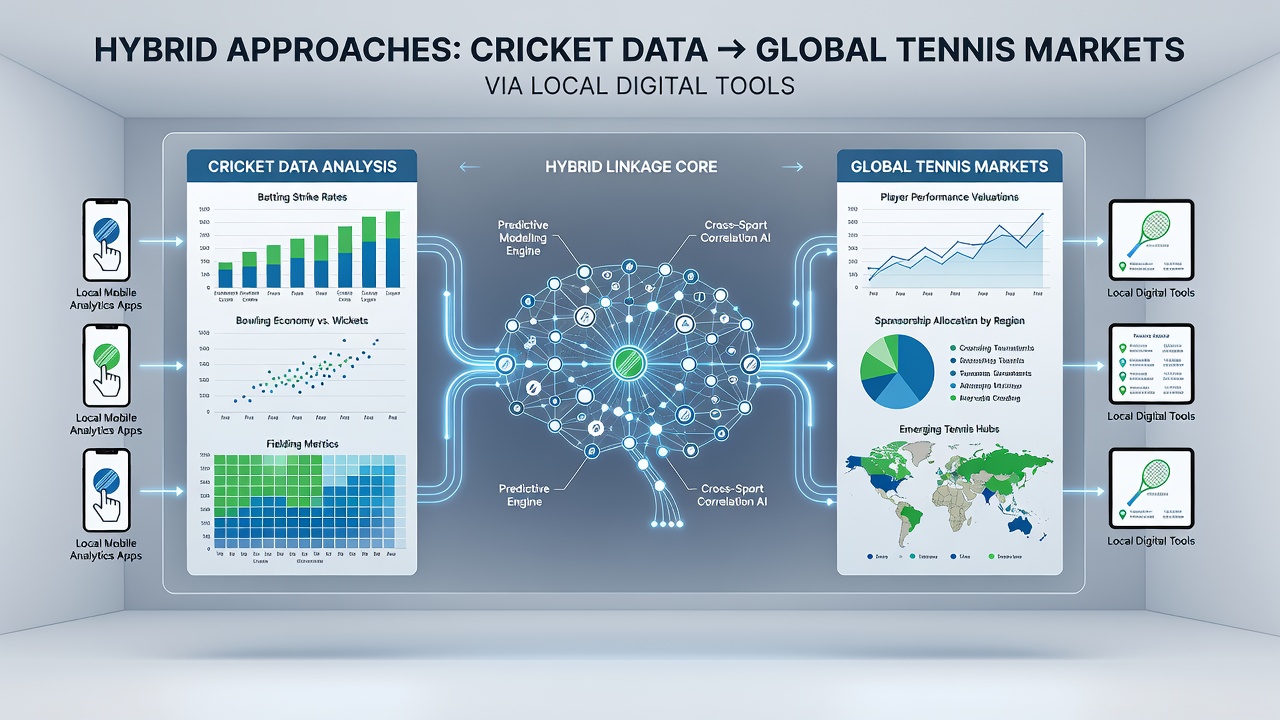
Platforms also incorporate user-generated feedback loops that refine the models further, allowing participants to flag discrepancies between predicted and actual results. This crowdsourced layer operates alongside professional data feeds from organizations such as the International Tennis Federation, ensuring the hybrid system stays current with rule changes and equipment updates.
Market Expansion Patterns Observed in 2026
By August 2026 several mid-tier tennis tournaments attracted attention from users who previously focused exclusively on cricket, and operators attributed part of that shift to the seamless data handoff provided by hybrid tools. Participation metrics released by industry bodies including the Responsible Gambling Council in Canada highlighted increased cross-sport activity on digital channels that employed these frameworks. The same period saw regulatory discussions in multiple jurisdictions concerning how shared analytics might affect responsible play features, prompting some platforms to embed session limits directly into the hybrid dashboards.
Technical Challenges and Solutions
Differences in match duration and scoring granularity require careful recalibration of variance estimates when moving from cricket to tennis, yet developers address this by weighting historical samples according to surface type and tournament stage. Local digital tools further mitigate synchronization issues through edge computing nodes that process recent cricket deliveries and tennis points within the same session window. Observers have recorded fewer data mismatches in regions where teams maintain close coordination between cricket statisticians and tennis market specialists.
Conclusion
Hybrid frameworks that repurpose cricket analytics for global tennis markets continue to evolve through localized digital platforms that prioritize accessibility and relevance. As August 2026 data demonstrated, the combination of shared statistical foundations and region-specific delivery mechanisms supports broader user adoption while maintaining operational efficiency across both sports. Ongoing refinements in data mapping and interface design suggest these approaches will remain central to cross-market strategies in subsequent seasons.