Incentive Mapping Strategies for Digital Platforms in South Asian Tennis and Horse Racing Events
Gisela Peters · Jun 11, 2026
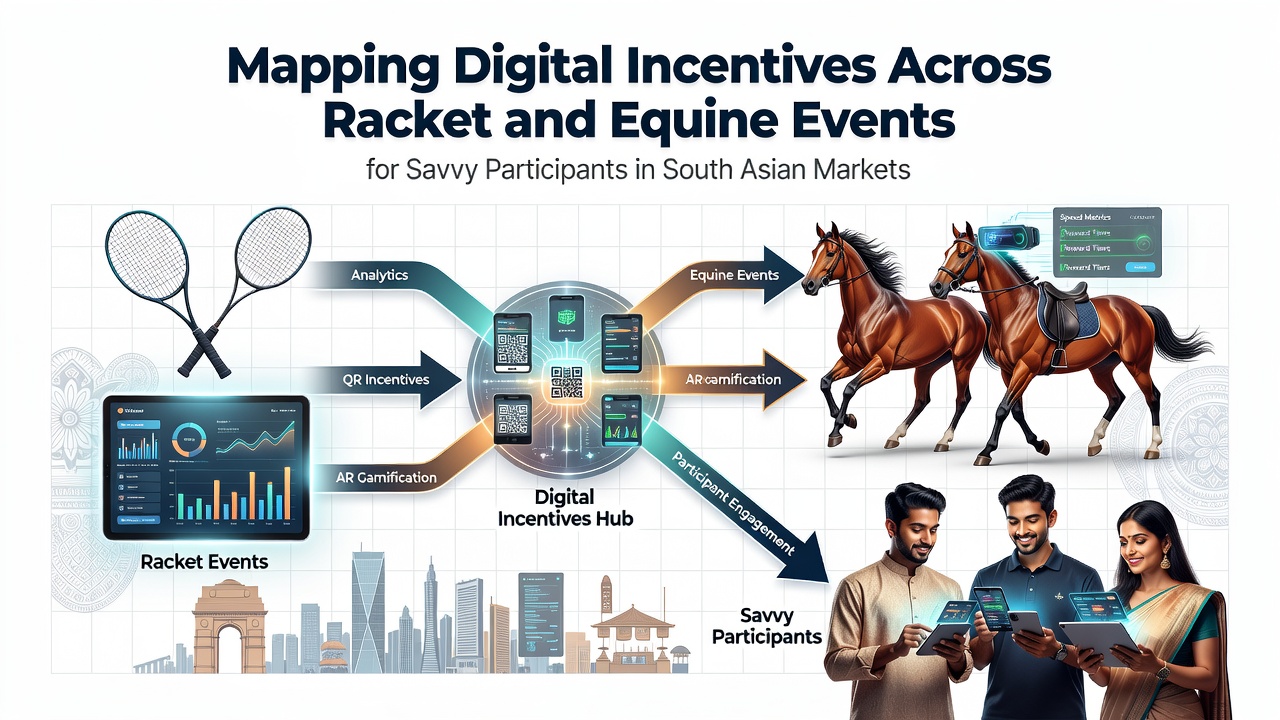
Incentive Mapping Strategies for Digital Platforms in South Asian Tennis and Horse Racing Events
Digital incentives in South Asian markets for racket sports and equine competitions have expanded through structured bonus systems and reward tiers that operators deploy across multiple platforms. Observers note that participants in countries such as India, Pakistan, and Sri Lanka track these offerings by comparing cashback percentages, free bet allocations, and deposit match rates tied specifically to tennis tournaments and horse racing meets. Data from regional industry reports indicates that incentive structures often differentiate between live in-play options for tennis matches and pre-race accumulator bonuses for equine events, which allows users to align their activity with peak promotional windows.
Racket Event Incentives and Platform Variations
Tennis competitions in South Asia draw targeted promotions that include enhanced odds on specific sets or players during major ATP and WTA events, while platforms adjust these rewards based on tournament prestige and regional viewership data. Researchers at academic institutions have documented how operators layer loyalty points that convert into stake credits when users place repeated wagers on racket sports, and these systems frequently reset on a monthly cycle to maintain engagement. Participants who monitor cross-platform comparisons often find that certain apps provide higher cashback rates on tennis compared with other sports, particularly when events occur during evening hours in local time zones. According to figures from the Victorian Responsible Gambling Foundation, similar layered incentive models appear in comparable markets where operators test variations in bonus caps and eligibility rules.
Market analysts track seasonal shifts in these promotions, noting that grass-court seasons and hard-court swings prompt operators to introduce temporary multipliers on accumulator bets. Those who study participant behavior report that users frequently combine multiple sign-up offers across different services to maximize initial deposit matches before settling into regular play patterns on established platforms.
Equine Competition Rewards and Tracking Methods
Horse racing events generate distinct incentive categories that focus on race-day specials such as place bet refunds or enhanced payouts for selected meetings at tracks in India and Pakistan. Data indicates these equine promotions often tie into live streaming access, where users receive additional free bets after completing a set number of qualifying wagers during a single card. Platform operators adjust these equine rewards according to race grade and field size, which creates opportunities for participants to map value across several applications during overlapping schedules.

Studies from the Canadian Centre on Substance Use and Addiction highlight parallel tracking approaches used in other jurisdictions, where bettors log promotional calendars to identify overlaps between major racing festivals and tennis grand slams. South Asian participants apply similar methods by maintaining spreadsheets or dedicated apps that flag when cashback thresholds reset or when new user tiers unlock higher reward percentages. June 2026 brings scheduled regulatory reviews in several South Asian jurisdictions that may influence how operators structure these equine and racket incentives, particularly around transparency requirements for bonus terms and wagering requirements.
Strategic Mapping Across Both Categories
Participants combine racket and equine incentives by rotating activity between tennis sessions and horse racing cards to meet different rollover conditions without exceeding personal limits. Evidence suggests that operators respond to this behavior by introducing cross-category bundles that award bonus credits when users engage with both event types within a defined period. Those who analyze platform data note that such bundles appear more frequently ahead of major combined events calendars, which creates predictable windows for strategic allocation of stakes.
Industry organizations such as the Asia Pacific Association of Gaming Regulators provide guidelines that influence how these digital incentives get presented, ensuring operators disclose terms clearly while participants compare effective value after accounting for any minimum odds or stake restrictions. Mapping tools available through third-party sites allow users to visualize promotion timelines across both tennis and equine categories, which reduces the time spent manually checking multiple operator notifications.
Conclusion
Digital incentive structures for racket and equine events continue to evolve in South Asian markets as operators refine reward mechanisms based on participation patterns and regulatory updates scheduled through 2026. Participants who systematically compare cashback rates, bonus eligibility, and rollover conditions across platforms maintain clearer oversight of available value in both tennis and horse racing segments. This approach relies on consistent monitoring of operator announcements and regional data sources to align activity with the most favorable promotional conditions at any given time.