Mobile Technology Powering Instant Modifications in Accumulator Bets
Alex Simmons · Jul 2, 2026
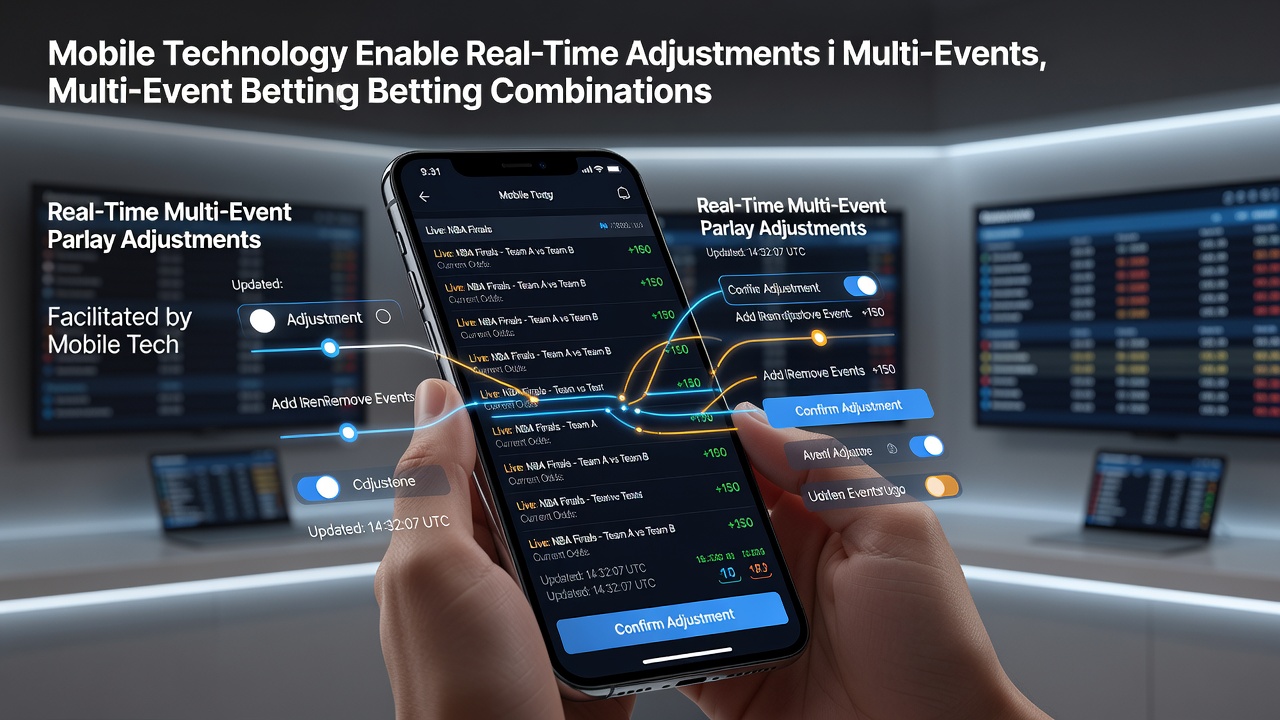
Mobile Technology Powering Instant Modifications in Accumulator Bets
Mobile technology has reshaped how bettors interact with multi-event combinations by allowing adjustments while events unfold in real time, and this shift stems from advances in app connectivity, live data streams, and user interface design that connect directly to operator servers. Bettors now receive continuous updates on odds movements across several matches or races simultaneously, then alter stake allocations or remove specific legs without waiting for manual intervention from support teams.
Core Mechanisms Behind Live Adjustments
Smartphone applications integrate application programming interfaces that pull live statistics and odds from multiple sports feeds at once, which enables the system to recalculate potential returns the moment a user modifies selections. Push notifications alert participants to significant changes such as player substitutions or weather impacts, prompting immediate decisions within the same session rather than requiring a new bet ticket. Researchers at the University of Sydney documented how these data pipelines reduced average adjustment times from several minutes to under thirty seconds in tested markets during 2025.
Secure payment gateways embedded in mobile platforms handle partial stake reallocations instantly, settling the difference through digital wallets while preserving the remaining combination structure. This process relies on token-based authentication that verifies user identity in milliseconds, preventing delays that once forced bettors to cancel entire accumulators and start over.
Integration with Live Event Data
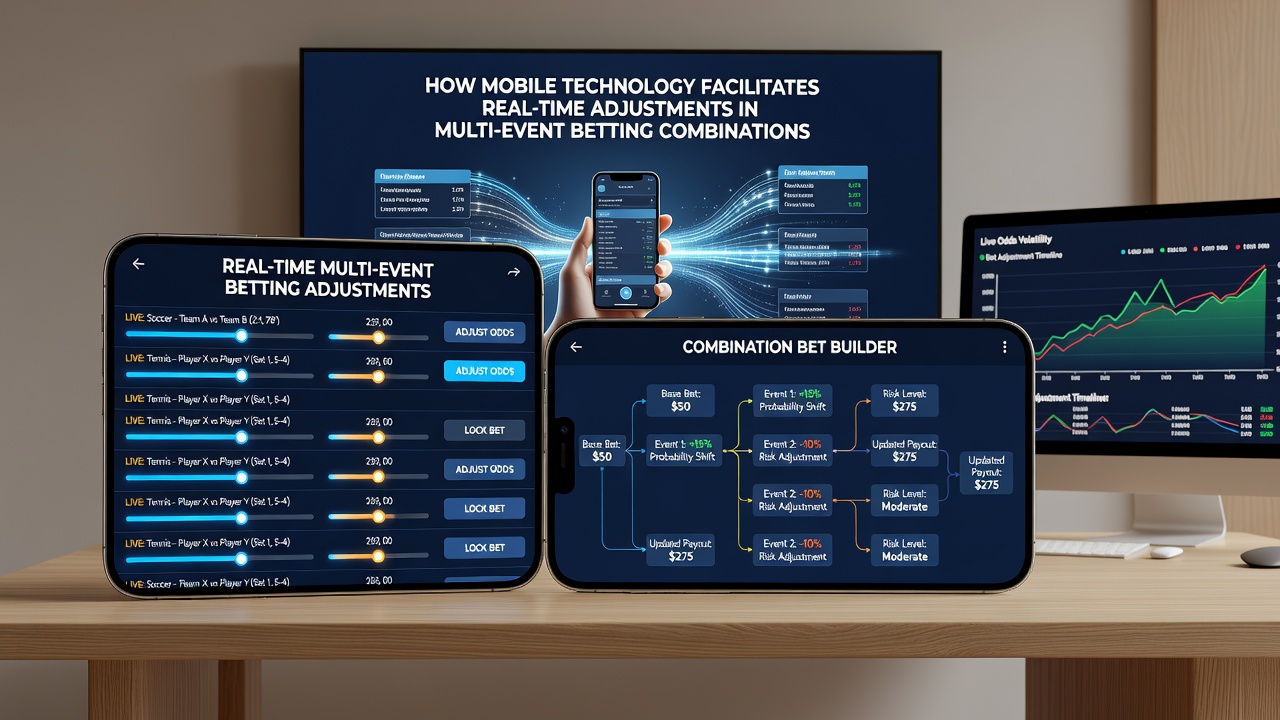
Operators synchronize mobile apps with global positioning systems and device sensors to confirm user location where regulations require it, yet the same infrastructure supports seamless switching between events without reloading the full interface. During major tournaments in July 2026, platforms demonstrated how augmented overlays display probability shifts for each leg of a multi-event wager, letting users drag sliders or tap buttons to increase or decrease exposure on specific outcomes. Data from the Canadian Gaming Association shows transaction volumes for such in-app edits rose 27 percent year-over-year through mid-2026, driven largely by improved 5G coverage in urban centers.
User Interface Features Supporting Dynamic Changes
Designers incorporated gesture-based controls and collapsible menus that keep all active legs visible on a single screen, reducing cognitive load when bettors scan across several ongoing competitions. Conditional logic built into the software automatically flags combinations that would exceed maximum payout limits after an edit, displaying revised figures before confirmation. Those who have studied interface ergonomics note that color-coded risk indicators help users track volatility across legs, guiding quicker choices without external spreadsheets or calculators.
Voice command options introduced in premium applications allow hands-free modifications during live viewing, parsing phrases like “double stake on the second leg” into executable commands while cross-checking against current market prices. Industry reports from the European Gaming and Betting Association highlight how these accessibility tools expanded participation among users managing multiple devices simultaneously.
Security and Compliance Layers
Encryption protocols protect each adjustment request as it travels between device and server, incorporating timestamp verification that prevents replay attacks during high-volume periods. Compliance modules embedded in apps enforce jurisdictional rules by graying out unavailable options or prompting additional verification steps when limits approach. Observers tracking regulatory filings across North America and Asia report that mobile-first operators updated these controls ahead of scheduled rule changes expected in late 2026.
Conclusion
Mobile technology continues to streamline real-time management of multi-event betting combinations through integrated data feeds, responsive interfaces, and secure transaction layers that operate in concert. As network speeds increase and artificial intelligence refines predictive overlays, the capacity for precise, on-the-fly edits expands further, reshaping how participants engage with complex wager structures across global markets.