Platform Reward Mechanisms Fueling Bettor Involvement in Tennis and Racing
Morgan Long · Jul 16, 2026
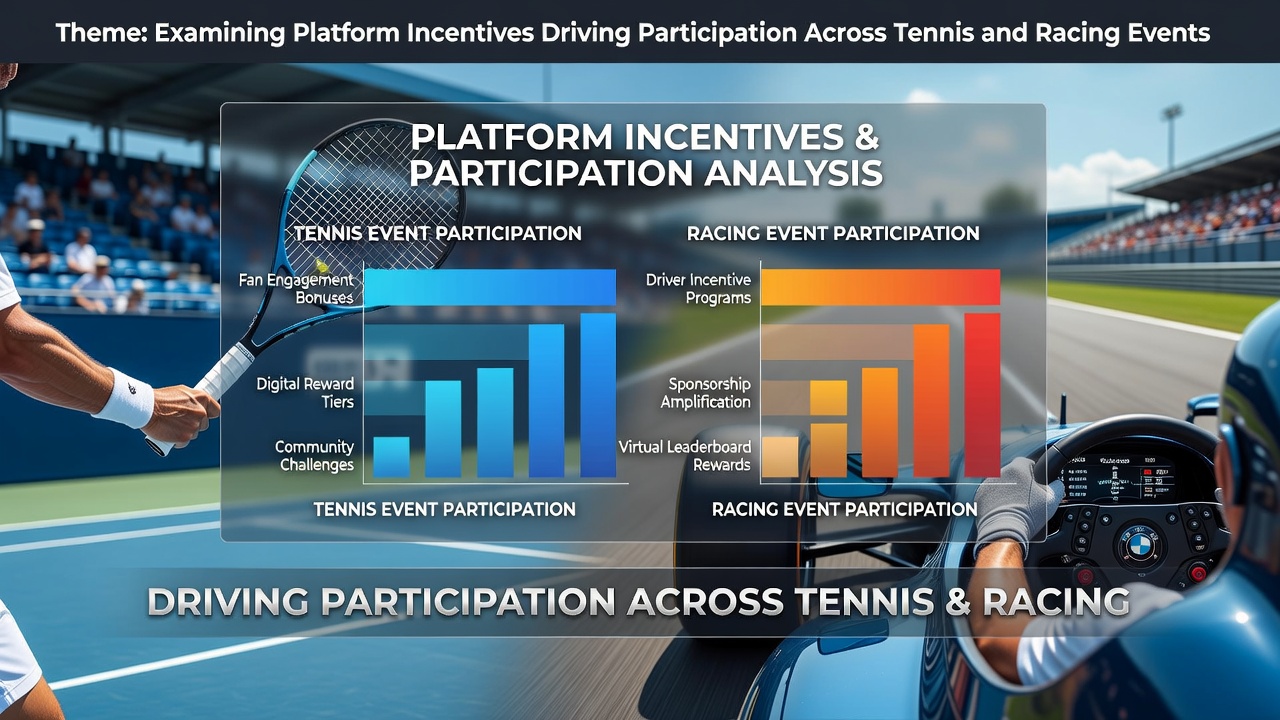
Platform Reward Mechanisms Fueling Bettor Involvement in Tennis and Racing
Betting platforms deploy structured reward systems that combine deposit matches, free bet credits, and cashback tiers to encourage repeated wagers on tennis matches and racing fixtures, and these mechanisms operate across multiple jurisdictions where regulatory frameworks permit operator flexibility in promotional design. Data from industry reports show that operators allocate significant portions of their marketing budgets to targeted offers for Grand Slam tennis events and major racing carnivals, while participation metrics rise notably during peak seasons when such incentives coincide with high-profile competitions.
Core Components of Incentive Programs
Operators structure incentives around welcome bonuses that require initial deposits, ongoing loyalty points that convert into betting credits, and risk-free bet promotions tied to specific event categories, yet the terms often include wagering requirements that extend user engagement over multiple sessions. Researchers at the Australian Gambling Research Centre have documented how these layered offers create retention loops, since users who claim a tennis-specific free bet frequently return to fulfill rollover conditions on subsequent racing wagers.
Seasonal campaigns frequently align with calendar highlights such as Wimbledon or the Melbourne Cup, and platforms adjust bonus percentages or add event-specific multipliers to capture attention during these windows. Participation data collected through operator dashboards reveal spikes in account activity that correspond directly with the launch of enhanced cashback schemes, particularly when minimum stake thresholds remain accessible to a broad user base.
Tennis Event Promotions and User Response
Tennis attracts distinct incentive patterns because match durations allow for in-play adjustments, and platforms respond by offering boosted odds on live sets or partial cashout features bundled with bonus funds. Mid-tier ATP and WTA tournaments often receive dedicated promotions that include accumulator insurance, meaning one losing selection in a multi-bet does not forfeit the entire stake when the bet qualifies under the offer terms.
Evidence from platform analytics indicates that users who engage with these tennis-focused rewards show higher repeat login rates during tournament weeks compared with non-promotional periods. Those who study user behavior patterns note that the combination of free bet tokens and enhanced odds tends to shift activity toward higher-margin markets such as set betting or player performance props, which in turn sustains platform revenue even after initial bonus funds are distributed.
Racing Circuits and Parallel Incentive Designs
Racing events benefit from similar but adapted reward structures that emphasize multi-leg bets and each-way coverage, while operators introduce racing-specific cashback percentages that refund a portion of losses accumulated across a meeting. Major tracks schedule feature races that coincide with national holidays or festival periods, and platforms amplify visibility of these races through dedicated bonus pools that users must claim via opt-in links.
Figures released by state regulators in Victoria, Australia, illustrate how racing participation volumes increase when platforms layer loyalty multipliers onto existing membership programs. Bettors who accumulate points through regular racing wagers unlock tiered rewards that include exclusive odds boosts on future fixtures, creating a feedback loop that maintains engagement beyond individual race days.

Comparative Participation Trends Through Mid-2026
Cross-event analysis covering the first half of 2026 demonstrates that racing maintains steadier baseline participation because fixtures occur daily across multiple jurisdictions, whereas tennis activity clusters around major tournaments and therefore requires more aggressive promotional timing to sustain volumes. Platforms that coordinate simultaneous offers across both sports report that users frequently migrate wagers between categories when one sport enters a lull period.
July 2026 data from several European operators indicate that combined tennis and racing promotions produced measurable lifts in active user counts, with the largest gains appearing among accounts that had previously shown sporadic activity. Observers note that the ability to apply a single bonus balance across both event types reduces friction and encourages broader exploration of available markets.
Regulatory Context and Operator Adaptation
Regulatory bodies in Australia and parts of the European Union require clear disclosure of bonus terms, and operators have adapted by simplifying language while preserving the incentive value that drives sign-ups. These transparency measures coincide with continued growth in participation metrics, suggesting that users respond positively when offer conditions appear straightforward and achievable.
Industry associations such as the European Gaming and Betting Association have compiled comparative studies showing that regions with balanced regulatory oversight experience stable incentive-driven growth, whereas stricter advertising limits correlate with slower uptake of new accounts. Platforms therefore refine geo-targeted campaigns to align with local rules without diminishing the core appeal of the rewards.
Conclusion
Platform incentives continue to shape participation patterns in both tennis and racing by aligning bonus structures with event calendars and user preferences, and available data through July 2026 confirm that these mechanisms sustain activity levels when properly calibrated to regulatory requirements. Operators that maintain diverse reward options across sports categories position themselves to capture shifting interest while meeting compliance standards set by oversight agencies in multiple regions.