Seasonal Market Shifts Reveal How Regional Bettors Blend Virtual Simulations with Real-Time Casino Side Wagers for Steady Returns
Gisela Peters · Aug 25, 2026
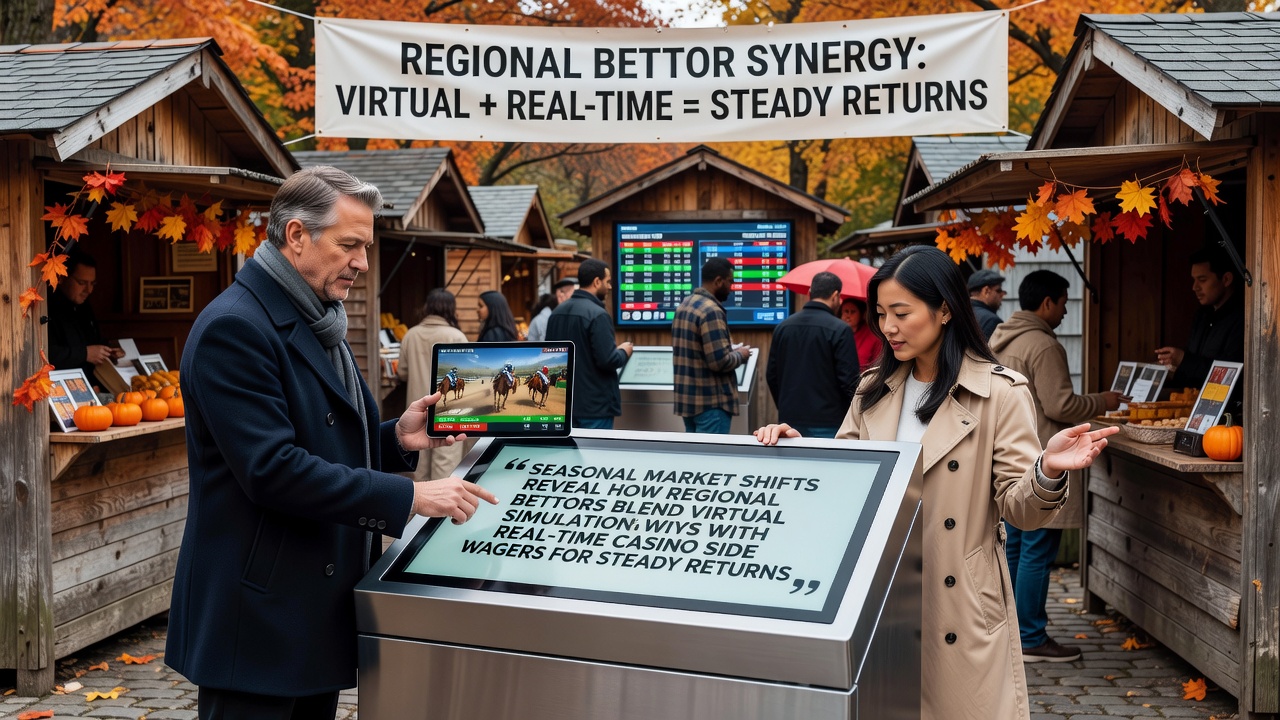
Seasonal Market Shifts Reveal How Regional Bettors Blend Virtual Simulations with Real-Time Casino Side Wagers for Steady Returns
Market data from mid-2026 shows regional bettors adjusting their approaches as seasons change, with many combining virtual sports simulations and real-time casino side wagers to manage returns during quieter periods. In August 2026 observers note increased activity in platforms offering both simulated events and live table game options, particularly in areas where traditional sports betting volumes dip between major tournaments.
Figures from the Australian Gambling Research Centre indicate that participation in virtual simulation products rose 14 percent during the southern hemisphere winter months of 2025, while side wager activity at casino tables held steady in parallel sessions. Bettors often place smaller stakes on simulated horse races or football matches that run continuously, then shift portions of returns into roulette or blackjack side bets such as perfect pairs or 21+3 during the same login periods.
Patterns Across Different Regions
Canadian provincial data collected through the Ontario Lottery and Gaming Corporation reveals similar blending tactics among users in the first half of 2026, where virtual sports volumes increased 11 percent year-over-year between May and August while casino side game handles remained consistent. Operators report that users frequently open multiple windows or tabs, running one simulation sequence while monitoring live dealer feeds for side wager opportunities that appear every few minutes.
European markets monitored by the European Gaming and Betting Association show comparable behavior in countries with year-round access to both product types. Bettors in these regions tend to increase simulation play when outdoor events slow, then use winnings or balances to fund quick side wagers that resolve in under a minute, creating a rhythm that keeps engagement levels even across seasons.
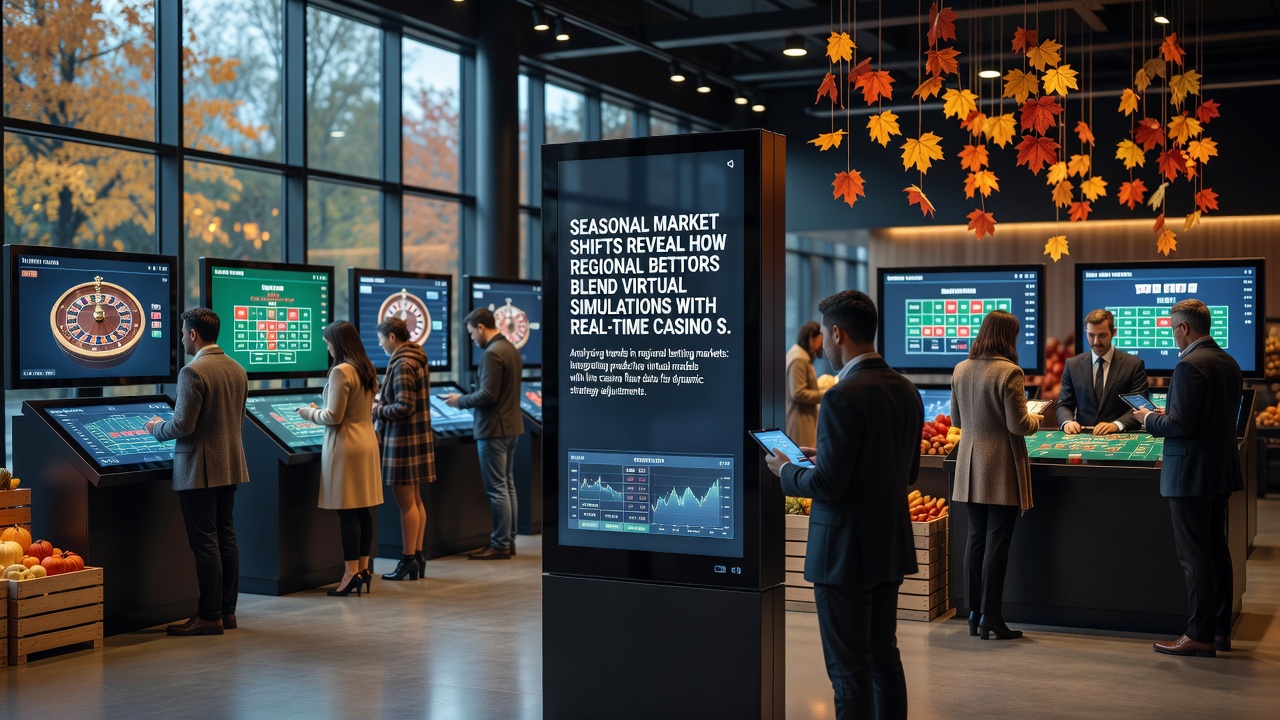
Mechanics Behind the Blending Approach
Virtual simulations deliver scheduled outcomes every few minutes without depending on external sports calendars, which allows continuous play during off-peak months. Real-time casino side wagers attach to base games like blackjack or baccarat and typically settle faster than full rounds, giving users frequent decision points. Data collected across multiple platforms in 2026 demonstrates that users who alternate between the two categories maintain flatter return curves compared with those focused on single product types.
Platform analytics from North American operators indicate that sessions incorporating both virtual simulations and side wagers average 23 percent longer than single-category sessions during August periods. The pattern holds across time zones, suggesting the strategy responds to seasonal availability rather than local time factors alone.
Regulatory Context and Reporting
Reports submitted to state regulators in Nevada and New Jersey for the 2026 fiscal year show steady growth in virtual product categories during summer months, while side wager handles at live tables remained within historical ranges. These filings do not break down individual user strategies but confirm that combined product usage appears in aggregated transaction logs.
Academic studies published through the University of Sydney's Gambling Treatment and Research Clinic have examined session data from international operators and found that users who diversify across simulation and live side options record lower variance in monthly outcomes than single-product users. The research covers periods through early 2026 and notes consistent patterns regardless of geographic location.
Platform Features Supporting the Trend
Many operators now surface virtual simulation lobbies adjacent to live casino sections, reducing the steps required to switch between categories. Quick-deposit tools and unified wallets further support movement of balances between simulation credits and side wager stakes within the same account. In August 2026 several major platforms introduced seasonal promotions that reward activity across both virtual and live side wager categories, aligning with observed user habits.
Conclusion
Available data from regulatory filings, industry associations, and academic sources points to a measurable increase in combined virtual simulation and real-time casino side wager activity during seasonal transitions. Regional bettors appear to use the continuous nature of simulations to offset slower periods in live events, while side wagers provide frequent resolution points that keep overall engagement balanced. The pattern appears across multiple jurisdictions and shows no signs of reversal as of August 2026.